
Does Adding a Fence Increase Property Taxes in Canada?
I’ve installed hundreds of fences in Brampton over the years. Six-foot wood privacy, vinyl, aluminum, chain-link. I’ve walked lots, priced jobs, set posts, and had the same conversation at the kitchen table more times than I can count. And the question I keep hearing, especially when people are planning spring projects, is some version of:
“Will this fence make my property taxes go up? My friend said MPAC will see it and bump my assessment.”
So I’m going to give you the straight answer from someone who actually pulls fences up, sets posts, and has watched what happens to tax bills after the job’s done. And I’m going to tell you why, in almost every case, you should stop worrying and just build the backyard you want.
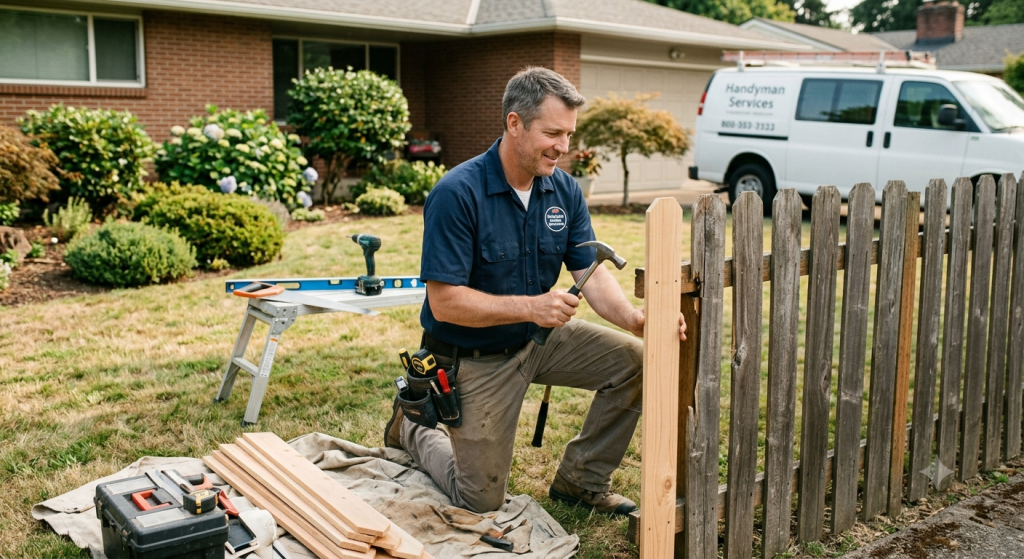
I Built a Fence on My Own Property. Here’s What Happened
A few years ago I put a standard six-foot wood privacy fence around my own backyard in Brampton. I watched my MPAC notice come through. I watched my tax bill.
Nothing changed. No supplementary assessment. No line item. No little bump on the bill. The number went up the same year it would have for every other homeowner in Brampton, because the city and Peel Region raised their rates. That had nothing to do with my fence.
That’s not a fluke. That’s the norm, and here’s why.
Why Fences Almost Never Move Your MPAC Assessment
Understanding this takes three quick facts about how MPAC and Brampton’s tax system actually work.
Your Assessment Is Still Based on 2016
MPAC’s most recent province-wide reassessment used a January 1, 2016 valuation date. Your current value assessment is anchored to what your property was worth over a decade ago. Mid-cycle reassessments do happen, but they’re triggered by significant, permitted improvements. A fence going up in your backyard is not one of them.
A Standard Backyard Fence Doesn’t Require a Building Permit in Brampton
This one surprises people. The City of Brampton explicitly lists “erect a fence (except for fences around a swimming pool or hot tub)” as work that does not require a building permit.
That means there’s no permit trail. No closed permit notification sent to MPAC. No paper trail connecting your new fence to your assessment file. MPAC isn’t sending someone to your backyard to count fence panels. They update assessments based on permits, sales data, and periodic reviews. A fence that never generated a permit has no digital footprint for them to find.
The only time a fence triggers the permit system is when it’s a pool or hot tub enclosure. If you’re building a standard yard fence, that’s not you.
A Fence Is a Tiny Fraction of Your Property’s Value
Here’s the math. The average residential property used in Brampton’s 2026 budget is assessed at roughly $543,500.
A typical fence I install in Brampton runs $2,500 to $7,000 depending on length, material, and terrain. Even if MPAC decided to capitalize 100% of that cost into your assessed value, which they almost never do for a standard fence, you’re talking about a change of 0.5% to 1.3% in a half-million-dollar number.
At Brampton’s combined residential tax rate of roughly 1.1%, a $3,000 to $7,000 worst-case bump translates to about $33 to $77 per year. In most cases I’ve seen, it’s less than that. Many times, it’s nothing at all.
The Myth I Hear Over and Over at the Kitchen Table
The most common version of this misconception goes like this:
“If I build a nice fence, MPAC will see it as a major improvement and my taxes will jump.”
People are chaining three assumptions together in their heads:
- Fancy fence means higher property value
- Higher value means higher assessment
- Higher assessment means a much higher tax bill
And so they either delay the fence entirely, or they ask me to “keep it low-key so MPAC doesn’t notice.”
Here’s what’s actually happening:
- They’re confusing market value with assessed value. A fence might help your home sell for a little more. It might add curb appeal. That’s great. But MPAC’s assessment isn’t a real-time price tag. It’s a model based on comparable sales, major structural features, and square footage. A $6,000 wood fence doesn’t add a bedroom. It doesn’t add square footage. It doesn’t add a garage.
- They’re generalizing pool fence rules to all fences. Because pool enclosures do require permits and are strictly regulated, people assume all fences are treated the same for assessment purposes. They’re not. A standard backyard fence in Brampton is permit-free.
- They think MPAC is “watching” their property. It’s not. A normal yard fence doesn’t generate a permit, so there’s no secret trail for anyone to discover.
The version of the question I hear most often is some mix of: “Will a fancy fence raise my taxes more than a basic one?” or “If I spend $8,000 on a premium fence instead of $3,000 on chain-link, will my assessment jump?” or “Do I need to worry about MPAC finding out if I build a tall, nice fence?”
My standard reply is the same every time: for a typical Brampton backyard fence, wood, vinyl, aluminum, even a nicer privacy fence, expect little to no change in your property tax assessment regardless of how fancy it is. What moves the needle for MPAC is things like finished basements, additions, new bedrooms and bathrooms, garages, large decks, and pools. Not the fence itself.
The One Time a Fence Was Part of a Bigger Assessment Jump
I haven’t had a case where a fence by itself triggered a reassessment. But I have had a case where a fence was part of a project that absolutely did, and the homeowner blamed the fence.
A Brampton homeowner hired me as part of a larger renovation:
- A raised deck with a pergola off the back
- A fully finished basement with a new bedroom, bathroom, and rec room
- A six-foot wood privacy fence around the backyard
Permits were pulled for the basement and deck. The work got done. The permits closed. Then the homeowner got a supplementary MPAC notice showing a higher current value.
The assessed value went up by roughly $70,000 to $90,000. At around 1.1% combined rates, that’s an extra $770 to $990 per year in property tax.
Was it the fence? No. It was the finished basement, the new livable square footage, the bedroom, the bathroom, and the substantial deck and pergola structure. The fence was visible, sure, but it wasn’t the driver.
And here’s what happens next, almost every time: the homeowner calls me and says, “It must be the new fence.” In almost every case I’ve seen in Brampton, the real culprit behind a post-reno tax jump is one of these:
- A finished basement or added bedroom or bathroom
- A new garage, large shed, or secondary suite
- A pool or major site improvement that MPAC picked up
- A new build or substantial addition
The fence gets blamed because it’s the most obvious new thing in the yard. But it’s the smallest value driver by far.
The Real Math: What Your Tax Bill Is Already Doing
Here’s the part most people miss. Let’s look at what Brampton’s 2026 budget actually did to homeowners.
The combined 2026 property tax increase for Brampton came in at 4.31%. That’s made up of a 3.31% increase from Peel Region, a 0% increase on the City of Brampton’s base portion, and a 1% increase tied to the city’s hospital levy.
On a typical Brampton residential tax bill of around $4,600 to $5,000 per year, that’s roughly $200 to $250 more per year. Every year. Whether you built a fence or not.
Now put that next to the “fence risk”:
- Typical 2026 rate increase for all Brampton homeowners: about $200 to $250 per year
- Worst-case fence assessment bump: about $33 to $77 per year
- Realistic fence impact in most cases: $0 to $30 per year
Your tax bill is already climbing by hundreds of dollars every year because of city and regional budget decisions. The fence is a rounding error next to that.
My Hot Take: Stop Letting a Maybe-$30 Risk Cost You Years of Backyard Time
Here’s what I tell Brampton homeowners when they ask me about this, and it’s the version I’d screenshot and send to a friend:
“Stop letting a maybe-$30-per-year tax risk talk you out of a fence you’ll actually use and enjoy. Your bill is already going up every year anyway. Build the backyard you want now.”
A few more things I’ll say point-blank:
- MPAC isn’t watching your fence more closely than your city council is watching your tax bill. Your assessment is anchored to 2016 values. The big annual increases come from rate changes and levies, not from your backyard wood paneling.
- If your fence delays your enjoyment by two or three years, that’s a far bigger cost than any tax bump. You’re paying the higher taxes anyway. You might as well get the privacy, the pet safety, the noise reduction, and the curb appeal now.
- Worry about permits for pools and big structures, not about MPAC “finding out” about a fence. In Brampton, a normal yard fence doesn’t even need a building permit. There’s no secret trail for anyone to discover.
The single line I want you to remember: in Brampton, your property tax is already going up hundreds per year whether you build a fence or not. Don’t sacrifice years of backyard enjoyment over a “tax risk” that’s usually under $50 a year, or zero.
What You Should Actually Do If You’re a Brampton Homeowner
If you’ve been Googling “does a fence increase property taxes in Brampton” at 11pm, here’s your practical checklist:
- Stop treating the tax question as a real concern for a standard fence. A wood, vinyl, or aluminum backyard fence in Brampton is very unlikely to meaningfully change your assessment or your tax bill. You don’t need to optimize your fence choice around a theoretical $20 to $50-per-year bump.
- Focus on what actually matters to you. Privacy, pet and kid safety, noise reduction, curb appeal, how often you’ll actually use the space. Pick the fence that fits your lifestyle and your budget, not the one that minimizes a tax impact that probably won’t exist.
- Put the tax increase in context. Your bill is going up every year from rate changes. The 2026 combined increase was 4.31%. That’s the real driver of your tax pain, not your backyard. You can check your MPAC Property Assessment Notice to see your current assessed value, and then realize that a standard fence won’t materially move that number.
- If you’re doing a bigger project, that’s where your assessment risk lives. If you’re finishing a basement, building an addition, adding a pool, or putting in a large deck or pergola, that’s when your assessment will likely go up. The fence, in that context, is a rounding error. Budget for the bigger items’ tax impact, not the fence’s.
- The only time to get nervous about a fence and your assessment is if it’s a pool enclosure or a structure that requires a permit. Pool fences and hot tub enclosures do require permits in Brampton. Large structures, retaining walls, and major site work do too. In those cases, MPAC will see the closed permit and your assessment will likely be updated. But that’s about the pool, the wall, or the structure, not the fence panels around them.
- Get two or three local quotes and move forward. Walk your property. Measure the runs. Decide on height and style. Call a couple of Brampton or GTA fence contractors. Get your quotes. Schedule the install. That’s it. You don’t need to call MPAC. You don’t need to file anything. You don’t need to “keep it low-key.” You just need to build the fence you want.
The Bottom Line
Does adding a fence increase property taxes in Canada?
In Brampton, in Ontario, in 2026: for a standard backyard fence, almost certainly not in any way you’ll notice on your bill.
The real tax increase you’re feeling, the one that’s added over $200 to your annual bill this year, is coming from Peel Region’s 3.31% increase and the hospital levy. Not from the six-foot wood panels you put up last spring.
So close the “does a fence raise property taxes in Brampton” tab. Pick the fence you actually want. Get your quotes. And go enjoy your backyard.