
How Much Should Interior House Painting Cost?
Interior house painting in Brampton can cost anywhere from approximately $350 for a single bedroom to $8,000 or more for a full-home repaint. The final price depends on the number of rooms, wall condition, ceiling height, preparation required, paint colour, and whether ceilings, trim, doors, and repairs are included.
As a Brampton handyman who regularly quotes bedrooms, basements, open-concept main floors, multi-room projects, and rental turnovers, I find that the painting itself is often the easy part. The preparation is what usually determines the cost, appearance, and durability of the finished job.
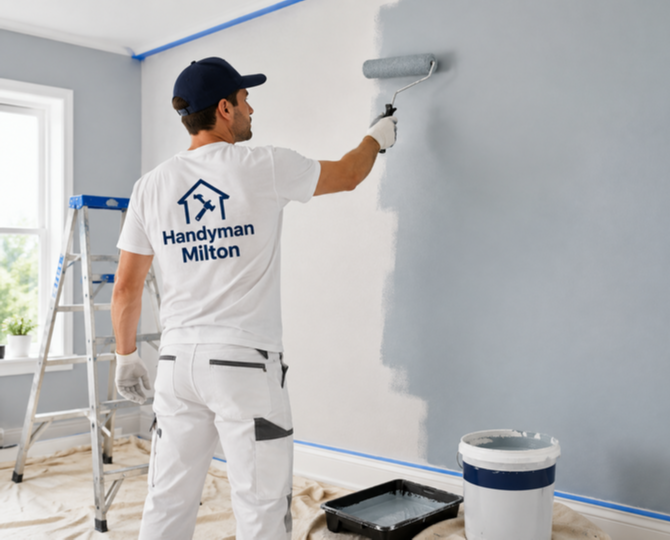
Interior Painting Cost in Brampton
The following are realistic working ranges for common interior painting projects in Brampton. They are not guaranteed prices because every home and surface has different requirements.
Single bedroom: $350–$650
Painting one bedroom generally costs approximately $350 to $650.
This type of project would normally include:
- Protecting floors and furniture.
- Filling minor nail holes and surface imperfections.
- Basic sanding and preparation.
- Cutting in around corners, trim, doors, and windows.
- Two coats of paint on the walls.
- Basic materials and cleanup.
Ceilings, doors, and trim may cost extra unless they are specifically included in the quote. A small bedroom with clean walls and the same colour may be near the lower end of the range. A bedroom with extensive holes, cracks, damaged drywall, or a major colour change may cost more.
Standard room: $400–$750
A standard room usually costs approximately $400 to $750, depending on its size, condition, and the amount of preparation required.
The price may include minor drywall repairs, spot priming, two coats of paint, cutting in, and cleanup. Larger rooms, rooms with many windows or doors, and rooms requiring a significant colour change generally take more time.
Finished basement: $1,200–$2,500 or more
Painting a typical finished basement in Brampton can cost approximately $1,200 to $2,500 or more.
Basements often include several separate areas, closets, hallways, stair access, doors, and ceilings. The layout can make the job more time-consuming than the square footage alone suggests.
A basement painting project may include:
- Walls and ceilings.
- Closets and storage areas.
- Minor drywall repairs.
- Spot priming.
- Doors and selected trim touch-ups.
- Floor and fixture protection.
- Two coats of paint where required.
- Final cleanup.
A basement that has been used by a family for several years may have scuffed walls, picture holes, shelving marks, and dull paint. Choosing a light neutral colour can make the space feel cleaner and brighter without the cost of a major renovation.
Open-concept main floor: $1,500–$3,000 or more
An open-concept main floor generally costs approximately $1,500 to $3,000 or more.
These projects often include a living room, dining area, kitchen, hallway, stair area, and several connected transitions. Although the space may look open and simple, it usually requires considerable cutting-in around:
- Kitchens and cabinets.
- Windows and doors.
- Trim and baseboards.
- Staircases and railings.
- Hallways and corners.
- Changes between connected areas.
- Ceilings and other transitions.
I do not treat an open-concept main floor as simply one large room. The connected spaces need to look consistent, and the additional cutting-in and preparation can add significantly to the labour.
Multi-room painting: $1,500–$4,000 or more
A multi-room project may cost approximately $1,500 to $4,000 or more, depending on the number of rooms and what is included.
For example, a homeowner may combine several bedrooms, a hallway, a living area, and selected trim into one project. There can be some savings when multiple rooms are painted at the same time because the setup, protection, preparation, and cleanup are shared.
However, the total price still depends on the condition of each room. One room may have smooth walls and require minimal preparation, while another may need extensive patching, sanding, and priming.
Full-home interior repaint: $4,000–$8,000 or more
A full-home interior repaint in Brampton commonly falls between $4,000 and $8,000 or more.
Larger homes, high ceilings, extensive wall damage, major colour changes, and detailed trim work can increase the price significantly.
A full-home quote may include:
- Walls throughout the home.
- Ceilings.
- Trim and baseboards.
- Doors.
- Minor drywall repairs.
- Surface preparation.
- Primer where necessary.
- Two coats where required.
- Protection of floors, furniture, and fixtures.
- Final cleanup.
Homeowners should confirm exactly what is included. Some quotes advertised as a full-home repaint cover walls only, while ceilings, doors, trim, repairs, and extra coats are priced separately.
What Determines Interior Painting Cost?
Square footage matters, but it is only one part of the estimate. I usually price a painting project based on the overall scope rather than relying only on the size of the home.
Wall and drywall condition
Wall condition is one of the most important factors.
Small nail holes and minor scuffs may be included in basic preparation. Larger cracks, damaged drywall, deep holes, water damage, loose tape, or poorly repaired areas may require additional work.
A professional finish usually requires more than filling a hole with compound. The area may need to be filled, allowed to dry, sanded smooth, spot-primed, and checked again before painting.
Number of coats required
Two coats are often needed for consistent coverage, especially when changing colours or painting over a darker shade.
A room changing from a dark colour to white may require additional primer or paint. Even when the new colour looks close to the old one, patched areas can absorb paint differently and show through without proper priming.
Ceilings, trim, and doors
Painting walls is different from painting an entire room.
Ceilings, baseboards, casings, doors, and built-in features add preparation and cutting-in time. Doors may require more cleaning, sanding, and careful application than walls. Trim with damaged paint or old caulking can also require additional preparation.
Always ask whether the quote includes walls only or the complete room.
Ceiling height and accessibility
High ceilings, stairwells, and difficult-to-reach areas can increase the price. They require additional equipment, setup, protection, and time.
Stairwells can be particularly challenging because of their height, tight corners, angles, and detailed cutting-in. These are areas where a small mistake is often highly visible.
Furniture and floor protection
Protecting the home properly is part of the work. Floors, furniture, cabinets, fixtures, stairs, and other surfaces may need to be covered before painting begins.
A quote that does not mention protection may not provide the same level of care as a quote that includes setup and preparation.
What Is Usually Included?
My painting quotes generally account for the basic work required to complete the job properly.
This commonly includes:
- Protecting floors and furnishings.
- Basic surface preparation.
- Minor nail-hole and drywall repairs.
- Sanding patched areas.
- Spot priming where necessary.
- Paint application.
- Basic materials.
- Cutting in around trim, corners, doors, and windows.
- Two coats where required.
- Cleanup after the work is complete.
The exact inclusions should always be written into the quote. “Painting included” can mean different things to different contractors and homeowners.
What May Cost Extra?
Some work falls outside normal preparation and should usually be priced separately.
Potential additional charges may include:
- Major drywall repairs.
- Extensive cracking or damaged drywall tape.
- Water-damaged surfaces.
- Wallpaper removal.
- Significant trim restoration.
- Extensive caulking.
- Severe stains requiring specialized primer.
- Major colour changes.
- Painting detailed doors or built-ins.
- Specialty finishes.
- Extensive furniture moving.
- Repairs caused by leaks or moisture problems.
This does not mean every small issue should become an unexpected charge. It means the homeowner and contractor should discuss the condition of the surfaces before work begins.
Brampton Interior Painting Case Studies
Real projects show why two homes with similar layouts can have different painting costs.
Two-storey home before listing
One project that stands out was a two-storey detached home in Brampton. The homeowners wanted to freshen up most of the main living areas before putting the property on the market.
The main floor was approximately 1,000 square feet and included:
- A living room.
- A dining area.
- A kitchen.
- A hallway.
- A staircase.
The walls had several years of scuffs, nail holes, and small drywall imperfections. The colours were also inconsistent from room to room.
The project cost approximately $2,000 to $2,500. The work included repairing minor wall damage, sanding patched areas, protecting floors and fixtures, priming where necessary, and applying two coats of paint to the walls.
A considerable amount of time was required for cutting in around the stairs, trim, doors, and transitions between rooms. The result was a cleaner and brighter main floor that looked considerably more current.
The homeowners were pleased because the house felt freshly renovated without requiring a major renovation before selling.
Finished townhouse basement
Another typical Brampton project involved a finished townhouse basement of approximately 700 to 800 square feet.
The basement was not in terrible condition, but years of family use had left the walls marked and dull. There were also numerous small holes from pictures and shelving.
The project cost approximately $1,400 to $1,800. The work included:
- Patching and sanding walls.
- Spot-priming repaired areas.
- Painting walls and ceilings.
- Touching up several doors and trim areas.
- Protecting the flooring.
- Cleaning up after the work.
The homeowner chose a neutral colour to make the basement feel brighter. The finished result made the space feel cleaner and more inviting without the cost of a larger renovation.
Selected rooms in a three-bedroom home
I have also worked on projects where homeowners did not want the entire house painted. In one three-bedroom Brampton home, the focus was on the bedrooms, hallway, and several damaged areas on the main floor.
That project was approximately $1,500 to $2,000, depending on the final preparation requirements and the number of coats needed.
This type of focused project can be a practical option for homeowners who want to improve the appearance of their home without committing to a complete repaint.
How to Compare Painting Quotes
Homeowners should compare the scope of work rather than choosing the lowest number.
Two contractors might quote $500 and $700 for the same room but provide very different levels of preparation, paint coverage, materials, and cleanup.
Before accepting a quote, ask the following questions:
- Is wall preparation included?
- How much patching and sanding is covered?
- Are primer and two coats of paint included?
- Does the price include ceilings, trim, and doors?
- Who supplies the paint?
- What quality and type of paint will be used?
- Are furniture and flooring protected?
- Is cleanup included?
- Are extensive drywall repairs charged separately?
- Will a major colour change require additional coats?
- What happens if hidden damage is discovered?
- Is the scope of work written clearly in the quote?
A quote that simply says “paint entire house—$X” does not provide enough information. A reliable estimate should reflect the condition of the walls, the selected colours, the areas being painted, and the level of preparation required.
Does DIY Painting Make Sense?
DIY painting can make sense for a homeowner who has one straightforward room, reasonable patience, and enough time to prepare properly.
A bedroom with relatively smooth walls is often a practical project for someone learning to paint. The main challenge is usually not rolling paint onto the wall. It is preparing the surface, protecting the room, keeping a wet edge, and producing clean lines.
I would consider hiring a handyman or professional painter when the project involves:
- Multiple rooms.
- High ceilings.
- Stairwells.
- Extensive drywall damage.
- Large open-concept spaces.
- Detailed trim and doors.
- A tight deadline.
- A home being prepared for sale or rental.
Painting is not particularly complicated, but consistent coverage and clean lines throughout a larger home take experience and careful planning.
How Much Should You Spend on Paint?
Homeowners do not always need the most expensive paint available.
I would rather see someone spend money on proper preparation and good-quality paint appropriate for the room than spend a large amount on premium paint and apply it over poorly prepared walls.
For high-traffic areas such as hallways, kitchens, and family rooms, paying somewhat more for a durable, washable finish can be worthwhile. Bedrooms and lower-traffic areas may not require the same level of durability.
The best paint depends on the room, the surface, the existing colour, the expected wear, and the desired finish. The most expensive product is not automatically the best choice for every application.
Where Painting Upgrades Are Worthwhile
If the budget allows, I recommend prioritizing surface preparation before expensive paint upgrades.
The following work can make a significant visual difference:
- Filling cracks and holes.
- Sanding patched areas properly.
- Caulking appropriate gaps.
- Priming repaired areas.
- Cleaning dirty or greasy surfaces.
- Repairing loose or damaged surfaces.
- Protecting floors and fixtures.
- Applying enough coats for uniform coverage.
Professional painting is also worthwhile for stairwells, high walls, and difficult cutting-in areas. These locations can take considerably longer than homeowners expect, and mistakes tend to be very noticeable.
Warning Signs to Watch For
Homeowners should be cautious about unusually low quotes that do not clearly explain the scope of work.
Warning signs include:
- A contractor promises an unusually low price without inspecting the property.
- The quote does not explain what preparation is included.
- The contractor says preparation is unnecessary even though the walls are damaged.
- The number of coats is not specified.
- Ceilings, trim, and doors are not clearly identified.
- A large upfront payment is requested before work begins.
- Floors, furniture, and fixtures are not protected.
- The contractor pushes expensive products without explaining why they are appropriate.
- The contractor cannot explain how additional repairs will be handled.
- The quote does not mention cleanup.
A professional-looking result usually requires more than paint and a roller. If the estimate ignores preparation, protection, and cleanup, the final price may not represent the complete cost of the job.
Final Thoughts on Brampton Painting Costs
Interior house painting in Brampton can range from approximately $350 for a single bedroom to $8,000 or more for a full-home repaint. Basements, open-concept main floors, multi-room projects, and homes with extensive preparation commonly fall somewhere between those amounts.
The most accurate price depends on the actual condition of the property and the complete scope of work. Before accepting an estimate, make sure you understand whether it includes preparation, patching, primer, two coats, ceilings, trim, doors, protection, materials, and cleanup.
From my experience as a Brampton handyman, preparation is where much of the value is found. Homeowners may think they are paying someone simply to put paint on the walls, but filling holes, repairing damaged surfaces, sanding properly, protecting the home, and creating clean lines around trim and corners are what make the finished job look professional.
A good paint job should leave the walls looking smooth, clean, and uniform—not simply covered in a new colour.
2 Replies to “How Much Should Interior House Painting Cost?”